The general rule
Ghanaians do not tip universally. You do not tip in a shop, on a tro-tro or at a market stall. In hospitality and tourism, however, tipping is welcomed and increasingly assumed: restaurants, hotels, drivers, guides and porters. The amount matters less than the gesture, and a small, discreet tip handed directly to the person is more appreciated than a grand display.
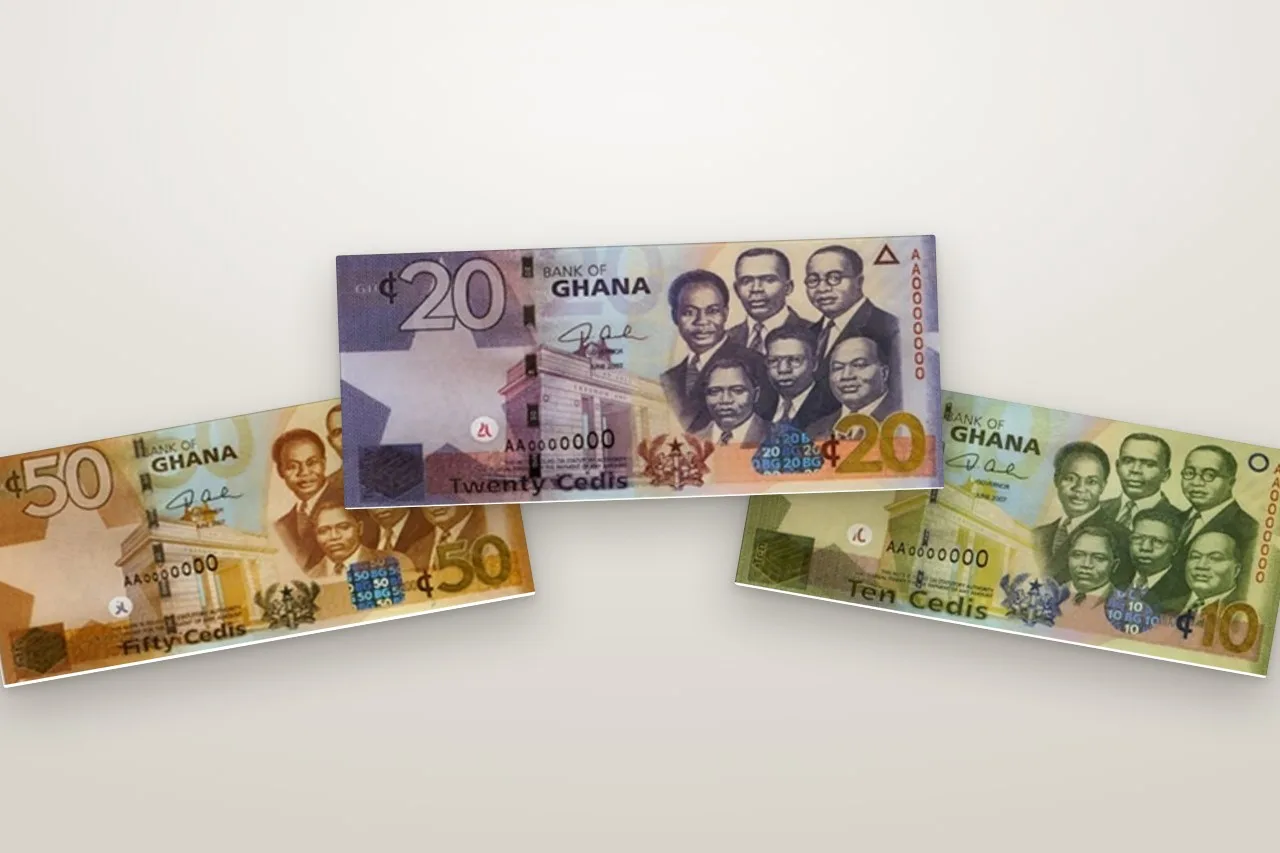
- Carry small notes specifically for tips, GHS 10, 20 and 50 notes are ideal.
- Hand a tip directly to the person rather than leaving it on a table where it may be pooled or disappear.
Restaurants and bars
Many larger restaurants add a service charge, commonly around 10 percent and sometimes with VAT and levies on top, so read the bill before adding a tip. The Ghana Tourism Authority has pushed back on some mandatory service charges it considers unapproved, so if a charge looks unusual it is reasonable to ask what it covers. If no service charge appears, roughly 5 to 10 percent is a generous tip for good service.
- Read the bill carefully: service charge, VAT, NHIL and GETFund levy can all appear, and they add up.
- If service was genuinely poor, skipping the tip is acceptable and not rude here.
Drivers, guides and hotel staff
Ride-hailing drivers are not tipped by default, though rounding up or adding a small amount in the app for a helpful driver is a nice touch. Private drivers and tour guides are usually tipped more meaningfully because they have spent the day with you and often cover their own fuel and meals. Housekeeping, porters and security staff appreciate small notes.
- For a full-day private driver or guide, tipping in the region of 10 percent of the day rate is well received.
- For housekeeping, a small note left daily works better than one large tip at the end of a stay.
Tipping and photographs
People may ask for money after you photograph them, particularly in tourist-heavy areas and around landmarks. It is fine to decline politely if you did not agree to it beforehand, and agreeing a price before you raise the camera avoids awkwardness. In smaller communities, asking first and then buying something from their stall is often a warmer gesture than handing over cash.
- Agree before you shoot if money is likely to be involved.
- Buying a drink or a snack is often a better thank-you than a note pressed into a hand.
Rules, fees and opening hours change. Confirm anything that matters before you rely on it.