Malaria prevention
Ghana has year-round malaria transmission with peaks in the rainy seasons, and the dominant parasite is chloroquine-resistant falciparum. Visit a travel clinic before you go to choose a prophylaxis, commonly atovaquone-proguanil, doxycycline or mefloquine, and take it exactly as prescribed, before, during and after the trip. Pair the tablets with bite prevention: repellent containing DEET or picaridin, long sleeves and trousers after dusk, and a treated net or air conditioning where you sleep.
- Start prophylaxis on the schedule your clinic gives you; starting late reduces protection.
- Malaria can present as fever, headache and flu-like aches; get a rapid test at a clinic if you develop a fever during or after travel.
Other vaccines and routine health
Alongside yellow fever, travel clinics commonly recommend typhoid, hepatitis A and B, meningitis for the northern belt, rabies for long stays or animal work, and routine boosters such as tetanus. Cholera is rare but outbreaks occur, so check current advice. If you take regular medication, bring enough for the whole trip in original packaging with a doctor's letter.
- Book your travel clinic appointment four to six weeks before departure so multi-dose vaccines can be completed.
- Carry a small kit: rehydration salts, painkillers, antihistamine, antiseptic, blister plasters and your prescription medicines.
Clinics, hospitals and pharmacies
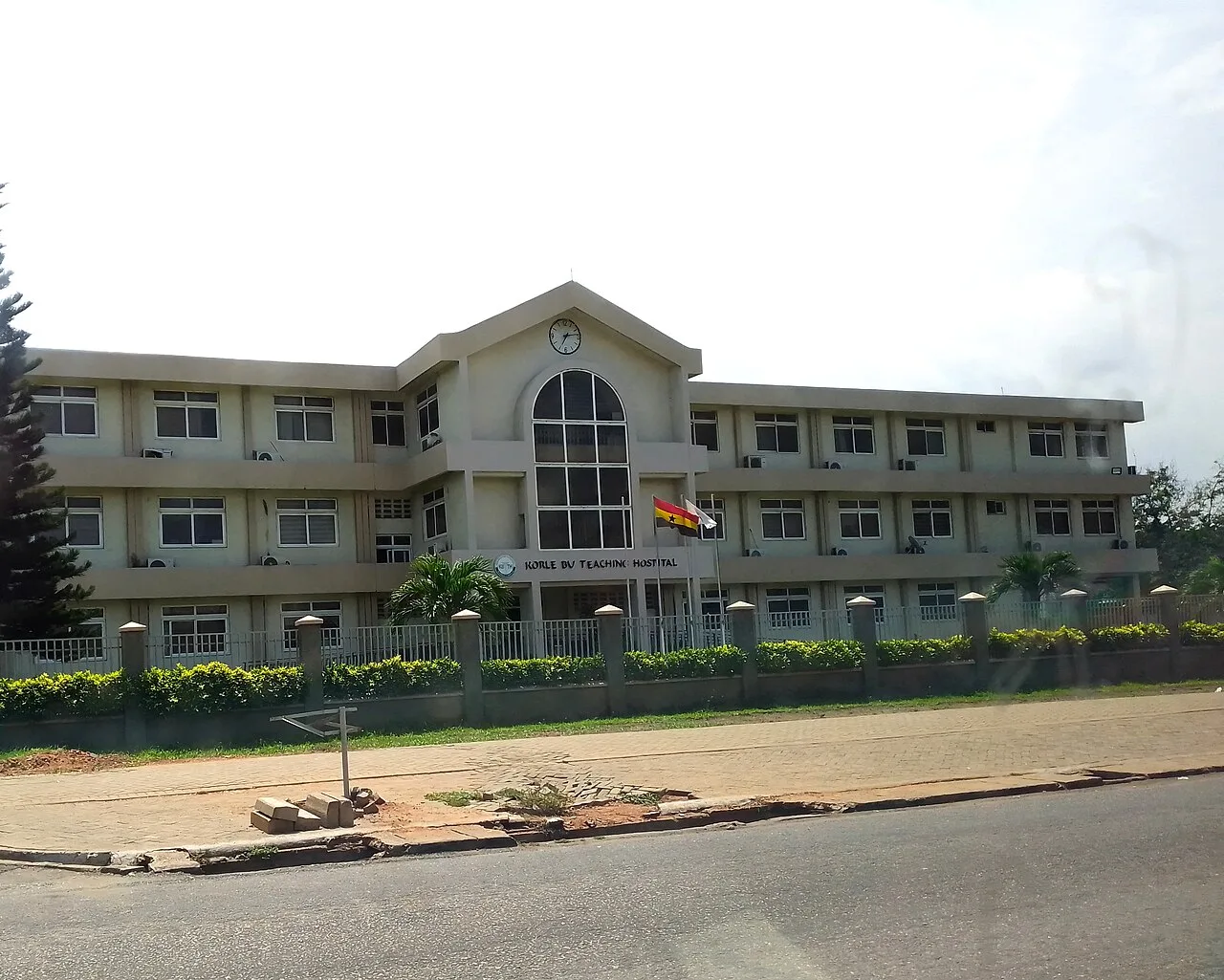
Accra and Kumasi have good private hospitals used by visitors, including Nyaho Medical Centre, Lister Hospital, the Trust Hospital and the University of Ghana Medical Centre, alongside major public hospitals such as Korle Bu Teaching Hospital and the 37 Military Hospital. Pharmacies, marked with a green cross, are everywhere in the cities and can handle minor problems. Outside the big towns facilities are more basic, so carry essentials.
- Keep your insurance details and policy number on your phone and a card in your wallet.
- Ask your insurer which hospitals are directly billed before you need one.
- Use a registered pharmacy rather than an unlicensed medicine seller.
Emergencies and insurance
In a medical emergency, call 112 or 193 for an ambulance, though ambulances can be slow and many people take a taxi or ride-hailing car to hospital instead. Travel insurance with medical evacuation cover is strongly recommended, because serious cases may be evacuated to Europe or South Africa. Keep a card with your blood group, allergies and emergency contact on you.
- Save the number of your nearest hospital and your embassy before you need them.
- Private facilities usually expect payment or a guarantee up front, so have a way to pay.
Rules, fees and opening hours change. Confirm anything that matters before you rely on it.