What 2019 was marking
In 1619 a ship brought the first recorded group of enslaved Africans to Point Comfort in Virginia, in what became the United States. Four hundred years later, in 2019, the Ghanaian government declared a Year of Return, inviting people of African descent to come to Ghana and marking the anniversary of that arrival with a programme of events across the country.
The idea was not new. Ghana had been a destination for the back-to-Africa movement since the nineteenth century, and Nkrumah had made the country a base for Pan-African organising in the 1950s and 60s. What was new in 2019 was the scale, the coordination and the marketing, run through the Ghana Tourism Authority with the castles and Accra as the centre of gravity.
What actually happened
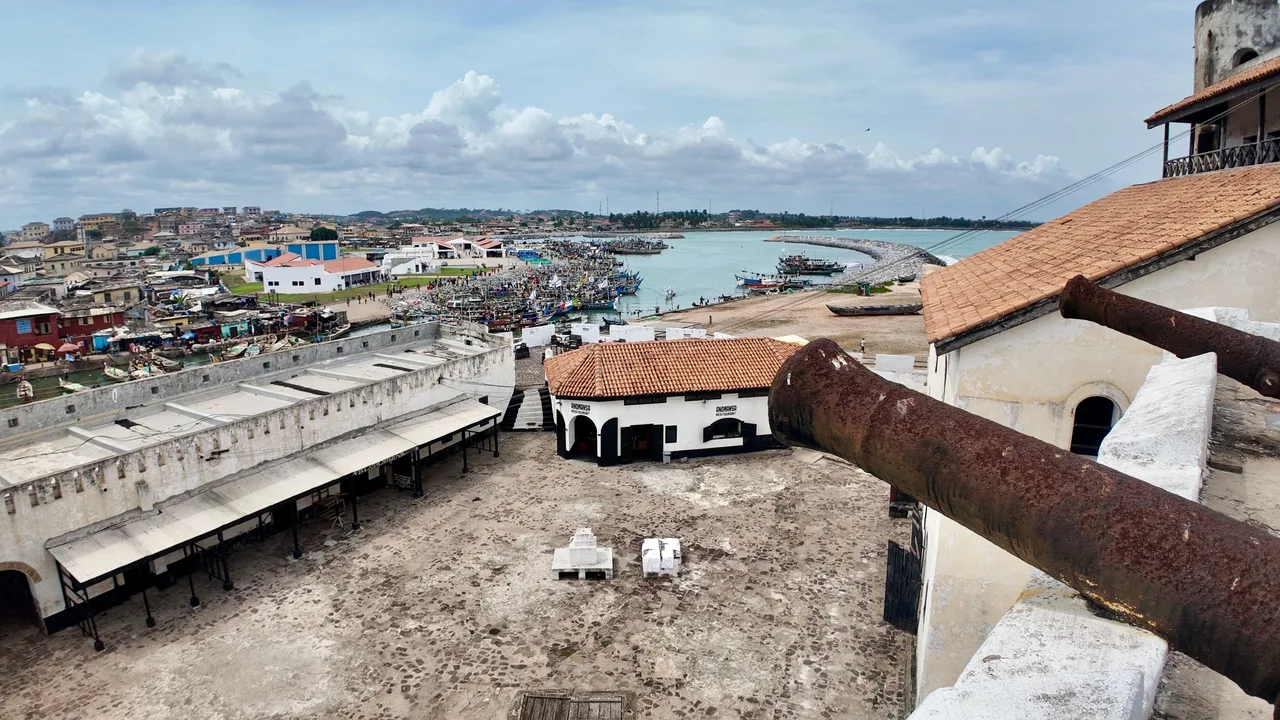
The response was far larger than anyone had planned for. Large numbers of African American, Caribbean, British and continental African visitors came through the year, with the biggest concentration in December. The castles at Cape Coast and Elmina, which had been steady heritage destinations, became the centre of a mass pilgrimage, and events, concerts and parties grew up around them.
That December is the moment the modern Detty December took its present shape. The concert calendar, the beach parties and the December accommodation crunch all existed before, but 2019 turned the month from a local holiday season into an international one. The government followed it with Beyond the Return, a longer-term programme aimed at turning a commemoration into an ongoing relationship.
What it changed on the ground
The most visible change is December itself, which is now the busiest and most expensive month of the Ghanaian year for travel. Flights into Accra for the last week of December are priced accordingly, hotels in Osu, Labone and East Legon sell out months ahead, and a concert calendar has grown around the season.
There have been concrete policy effects too. Ghana offers a Right of Abode for people of African descent in the diaspora, and residency and citizenship pathways have been discussed and adjusted repeatedly since. Property, business and relocation interest from the diaspora increased noticeably, some of it productive and some of it speculative.
The criticism
The success brought an argument with it, and the argument is worth knowing before you arrive. Critics have raised several points. The commemoration has at times felt more commercial than historical, with the castles treated as a stop on a party itinerary. Ghanaians whose own ancestors were enslaved and whose families have been in the country for generations do not always see the economic benefit of a season aimed at visitors.
There is also a live conversation about identity, about who counts as a returnee, and about how much weight a DNA test should carry in a place with its own deep and complicated history. These are not fringe complaints. They are argued in Ghanaian newspapers and among Ghanaians every December.
How to travel with that in mind
None of that is a reason not to come. It is a reason to come with your eyes open. Visit the castles as historical sites first and attractions second, and take the guided tour rather than walking the courtyard for photographs. If you are coming for the season, spend money in places that are not only aimed at visitors, and buy from markets and workshops rather than only from the hotels.
Ask questions. Ghanaian friends and guides will tell you exactly what they think about the December phenomenon if you ask them directly, and the answer is more interesting than the brochure version.
- Do the castle tours properly, not as a photo stop.
- Read about 2019 before you go, and read the criticism as well as the coverage.
The other side of the year
Detty December is one month. The rest of the year Ghana is a working country with a long history, and the sites that carry it are open and mostly quiet: the museums and monuments of Accra, the Ashanti kingdom's seat at Kumasi, the coastal forts nobody visits, the slave route sites at Assin Manso and Salaga in the north.
If you can come outside December, the same history is available at a fraction of the cost and with room to think about it. That is not an argument against the season. It is an argument for a second trip.