How to read these numbers
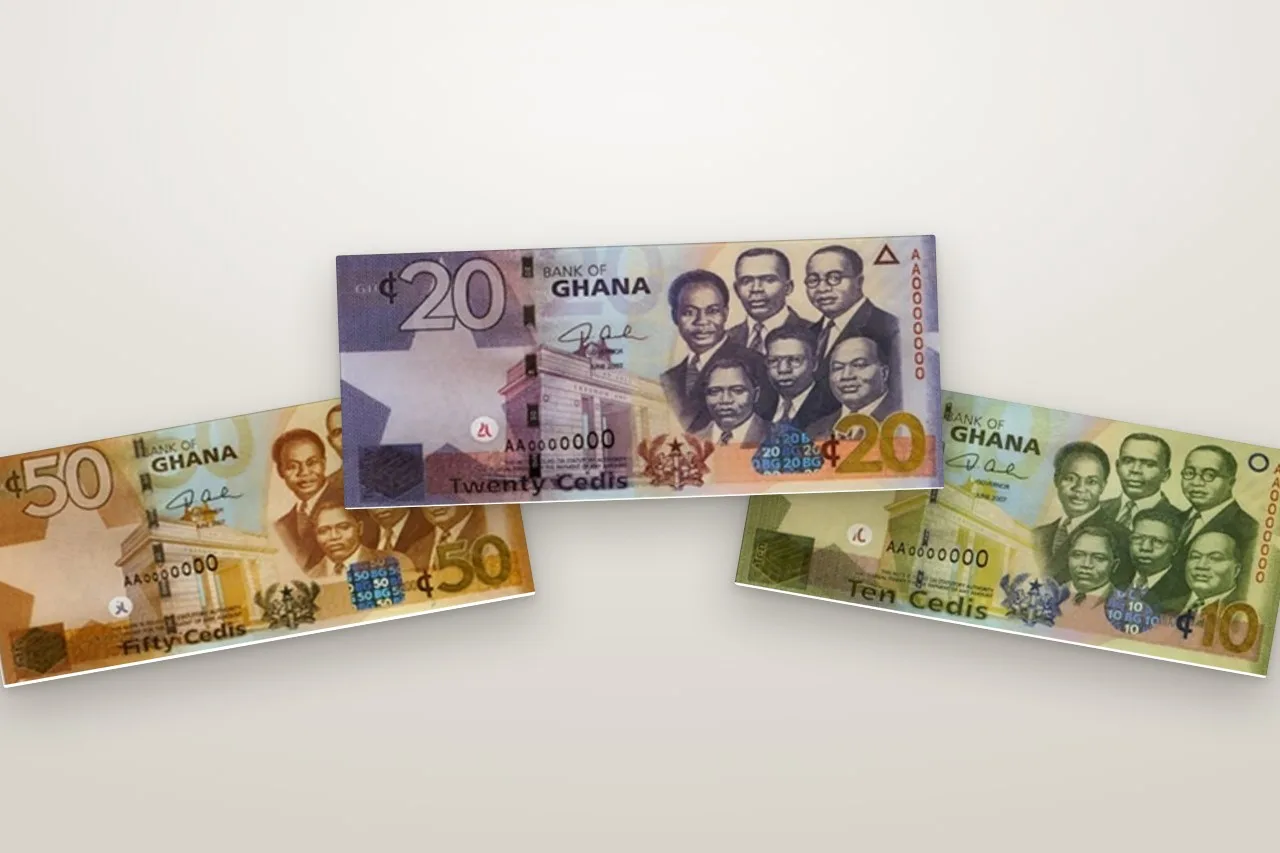
Everything here is in Ghanaian cedis, because that is what you will actually pay. The cedi has moved a long way against the dollar and the pound in recent years, so any conversion you find elsewhere may be months out of date. Check the rate on the day you book. Fuel prices, inflation and the December rush push these figures around, so treat them as planning ranges and confirm anything important before you commit.
Two travellers sharing a room pay far less per person than a solo traveller, because the room is the big fixed cost. Working bands per person per day, excluding international flights: a careful budget trip costs GHS 350 to GHS 650, a mid-range trip GHS 700 to GHS 1,500, and a comfortable trip GHS 1,800 and up.
Flights, the biggest single line
An international return ticket is usually the largest item in the budget and the least predictable. From Europe, economy returns to Accra commonly fall between USD 600 and USD 1,100. From North America, expect USD 900 to USD 1,600. From another African hub you can often pay less.
KLM, British Airways, Emirates, Qatar Airways, Turkish Airlines, Ethiopian Airlines, Delta and United have all served Accra in recent years, but routes change with seasons and commercial decisions, so check a fare aggregator rather than trusting a list. December is expensive. Book two to four months ahead.
Inside Ghana, Africa World Airlines and Passion Air fly from Accra to Kumasi, Tamale and Takoradi. One-way fares commonly run GHS 900 to GHS 1,800 and rise in December. For Tamale, that fare buys back a day a bus would swallow.
- Flights from Accra attract a passenger service charge. Confirm whether it is already in your ticket.
- Midweek flights are usually cheaper than weekend ones.
Visas, vaccines and paperwork
Visa fees depend on your nationality and the number of entries, and they change. A single-entry tourist visa commonly falls in the USD 60 to USD 150 range, while ECOWAS and many African Union passport holders enter visa-free or can obtain a visa on arrival. Ghana runs an eVisa portal. Apply early and confirm the fee with the embassy or the official portal rather than a third-party visa service.
Yellow fever vaccination is mandatory and usually not covered by ordinary health insurance. Malaria prophylaxis for two weeks varies widely by drug and country. Travel insurance for a two-week trip is commonly USD 50 to USD 150 depending on your age and cover.
Add passport photos if you might extend your stay. Photocopies of your passport and visa cost nothing and save trouble if a bag goes missing.
- Some nationalities need a pre-approval letter for visa on arrival. Use official channels only.
- Check your passport has six months of validity and blank pages.
Accommodation: what each band buys
Hostel dorm beds in Accra run GHS 120 to GHS 250. Budget guesthouses, often with a fan rather than air conditioning and sometimes no hot water, run GHS 250 to GHS 500. These are usually fine and occasionally grim, so read recent reviews and ask to see the room before you pay for several nights.
Mid-range hotels with air conditioning, a decent bed, breakfast and working wifi run GHS 600 to GHS 1,300 in Accra, and less in Cape Coast, Ho or Kumasi. International-brand hotels in Airport City and around Ridge start near GHS 2,500 and go past GHS 5,000 in December. A safari-style lodge near Mole runs GHS 1,500 to GHS 4,000 a night, often with meals extra.
Rates jump by 30 to 80 per cent over Christmas and New Year. Outside the cities, ask whether there is a generator, whether the water runs in the morning, and whether the bed has a net.
- Breakfast is often included. Ask, because it changes the food maths.
- In the north, confirm a net and a fan as well as air conditioning.
Transport inside Ghana
City tro-tro fares are GHS 3 to GHS 10 and rise with fuel. Accra to Cape Coast by tro-tro is roughly GHS 40 to GHS 70, while an air-conditioned bus on the same route is GHS 60 to GHS 100. Accra to Kumasi by bus is GHS 60 to GHS 120 and takes four and a half to six hours. Accra to Tamale is GHS 120 to GHS 250 and takes nine to twelve hours by road.
App taxis cover most city needs at GHS 25 to GHS 80, and GHS 60 to GHS 150 for an airport run. A day with a hired car and driver is GHS 500 to GHS 900 in the south, and GHS 900 to GHS 1,600 for a 4x4 in the north, with fuel sometimes on top. Petrol has sat around GHS 15 to GHS 20 a litre.
Shared taxis are cheaper than a private taxi and slower, because the driver waits to fill the car. If you plan several day trips, a driver usually beats a rental once you add fuel, insurance and the risk of a scrape.
- Agree the fare, the fuel arrangement and the overtime rule before a hired car leaves.
- Keep coins for tro-tro fares and tolls.
Food and drink
Street breakfast, a bowl of koko with koose or a plate of waakye, is GHS 10 to GHS 30. A chop bar plate of fufu, banku or rice with stew is GHS 30 to GHS 70. A mid-range restaurant main is GHS 90 to GHS 200 and an upmarket one runs GHS 200 to GHS 450. Banku with grilled tilapia at a well-known spot is GHS 150 to GHS 350 and usually feeds two if you add rice.
Beer in a bar is GHS 15 to GHS 35 and GHS 12 to GHS 20 from a shop. Soft drinks are GHS 8 to GHS 15. Sobolo, the hibiscus drink, is GHS 5 to GHS 15 from a vendor. A cafe coffee in Accra is GHS 30 to GHS 60, more than a full street breakfast.
A useful daily food budget is GHS 120 to GHS 250 if you eat local food and drink water, or GHS 300 to GHS 600 with restaurant meals and a beer or two. Check the bill for a service charge, often ten per cent, with VAT sometimes on top.
- Restaurant portions are large. Sharing a main and adding a side is normal.
- Bottled water costs more in hotels than in shops.
Attractions, guides and extras
Castle entry for a non-Ghanaian adult at Cape Coast or Elmina is commonly GHS 80 to GHS 150, with lower rates for Ghanaians. Kakum canopy walk entry for foreign visitors is roughly GHS 100 to GHS 200 and the night walk costs extra. Mole National Park charges entry, a vehicle fee and a mandatory ranger, which together can reach GHS 150 to GHS 400 for a group. Nkrumah Memorial Park and the National Museum generally sit under GHS 100. Confirm every one at the gate, because fees are revised.
A half-day city guide in Accra is GHS 150 to GHS 400 and a full day is GHS 250 to GHS 600. A tourist SIM with data is GHS 50 to GHS 120. Souvenirs are where budgets quietly disappear: kente, beads, drums and carved stools run GHS 80 to GHS 800 depending on quality, and craft market prices are negotiable.
- Some sites take cards and some do not. Carry cash to the castles.
- Guide fees are usually separate from entry fees.
A ten-day trip, costed
Take one traveller, flying into Accra, spending three nights there, two in Cape Coast, three in Kumasi and two in Tamale, then flying back. Excluding the international flight, a realistic mid-range total is GHS 13,000 to GHS 17,000.
Nine or ten nights of mid-range rooms at roughly GHS 900 average, around GHS 8,500. Food at GHS 300 a day, around GHS 3,000. Local transport at GHS 150 a day, around GHS 1,500. Two guided days, GHS 900. Attraction entries, GHS 600. SIM, water, tips and souvenirs, GHS 700. That adds to about GHS 15,200.
A careful version using tro-tros, guesthouses and street food lands near GHS 6,500 to GHS 8,000. A comfortable version with nicer hotels, private drivers and the odd splurge goes past GHS 25,000. In the last week of December, add 30 to 50 per cent to accommodation and flights.